

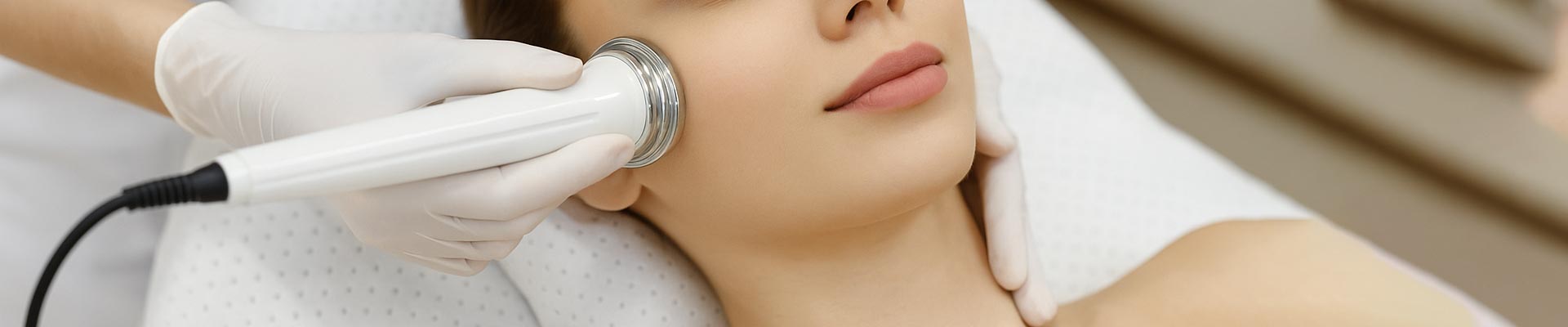
How to Lift the Cheeks Without Plastic Surgery
Sagging cheeks, often referred to as jowls, make the contours of the face less defined, visually add years to your appearance, and can create a tired or dissatisfied look. They can be difficult to conceal with makeup, while regular at-home skincare does not provide a sufficiently noticeable lifting effect. As a result, this aesthetic concern can become increasingly frustrating over time and affect self-confidence.
However, restoring a defined facial contour does not necessarily require seeing a plastic surgeon. Modern cosmetology offers treatments that can help lift the cheeks, reduce the appearance of jowls, and improve skin quality without incisions or scars. Properly selected treatments make it possible to target different tissues and levels of age-related changes, delivering a natural-looking result with minimal discomfort and a significantly shorter recovery period.
Why Do Sagging Cheeks Appear?
Sagging cheeks do not develop due to one specific cause. In most cases, jowls form as a result of a combination of changes affecting the skin, subcutaneous fat, facial muscles, and ligaments.
The most common factors contributing to the loss of a defined facial contour include:
- Reduced collagen and elastin production: the skin gradually loses its firmness, becomes less dense, and is no longer able to support the underlying tissues as effectively.
- Weakening of the ligamentous support: the ligaments that support the soft tissues of the face gradually stretch, causing the cheeks to sag.
- Redistribution of subcutaneous fat: fat compartments may decrease in some areas and shift to others, creating a heavier appearance in the lower third of the face.
- Age-related volume loss in the midface: this can cause the cheek area to descend, making jowls more noticeable.
- Individual anatomical features: the shape of the lower jaw, the location of fat compartments, skin thickness, and facial proportions all influence how early and how prominently jowls develop.
The cheeks can also “sag” as a result of fluctuations in body weight, lifestyle, and various external factors that accelerate the loss of skin elasticity, including UV exposure, smoking, chronic sleep deprivation, and inadequate skincare.
That is why there is no one-size-fits-all approach to correcting jowls. One patient may need to stimulate new collagen production, while another may need to restore lost volume. In cases of significant tissue sagging, treatment of the deeper structures of the face may be necessary. A cosmetologist selects the most appropriate procedure after examining the patient and assessing the underlying causes of age-related changes.
When Are Cosmetic Procedures Truly Effective for Sagging Cheeks?
Cosmetic procedures are most effective for mild to moderate tissue laxity, reduced skin firmness, volume loss in the cheekbone area, and the development of less defined facial contours. They can help stimulate collagen production, tighten and firm the skin, restore tissue support, and make jowls less noticeable.
The correction method is selected individually, as the results depend on the severity of the changes, facial anatomy, skin quality, and the distribution of subcutaneous fat. When there is a significant amount of excess skin, non-surgical procedures have a limited effect — your cosmetologist will explain this during the consultation.
What Techniques Are Used for Cheek Lifting?
Modern cosmetology offers several methods for lifting the cheeks. They differ in the depth and mechanism of action, so the treatment protocol is selected individually.
SMAS Lifting
During the procedure, focused ultrasound targets the deeper tissues without damaging the skin’s surface. Controlled heating stimulates the renewal of collagen fibers, gradually making the tissues denser and tighter. SMAS lifting can help make jowls less noticeable, define the jawline, and improve facial contours to create a more defined oval. The results develop gradually, as the body needs time to produce new collagen.
Radiesse
Radiesse is an injectable treatment that combines volume correction with biostimulation. The procedure helps support the tissues and stimulates fibroblast activity, promoting the production of collagen and elastin. Radiesse may be recommended for volume loss, reduced skin density, and an undefined contour of the lower third of the face. It can help restore facial proportions, enhance the jawline, and visually reduce the appearance of jowls.
Microneedling RF Lifting
This technique combines the use of fine microneedles with radiofrequency energy. The needles deliver heat to a predetermined depth, stimulating collagen remodeling and the formation of new collagen fibers. As a result, the cheeks appear more lifted, while the skin becomes firmer, denser, and smoother, and mild to moderate sagging is reduced. The procedure can also improve skin texture, minimize the appearance of pores, and make fine lines less noticeable.
Endolift
Endolift is a minimally invasive laser technique in which an ultra-thin optical fiber is inserted beneath the skin. The laser energy heats the tissues from within, promoting the contraction of collagen fibers and stimulating their subsequent renewal. When indicated, the procedure can also target small localized fat deposits that contribute to heaviness in the lower third of the face. As a result, Endolift can help lift and redefine the facial contour, reduce the appearance of jowls, and create a more defined jawline.
Each of these procedures addresses different concerns: SMAS lifting works on the deep structural support of the tissues, Radiesse restores volume and stimulates the skin, microneedling RF lifting improves skin density and firmness, while Endolift combines laser lifting with the correction of localized fat deposits. The optimal technique, or combination of techniques, is selected by the doctor after an examination. So, whether you are already experiencing this concern or are only beginning to notice the first changes in the lower third of your face, don’t put off a consultation with a cosmetologist. At LeoDerm, our specialists can recommend a personalized treatment plan to help lift sagging cheeks or prevent their progression when early changes begin to appear.
If you experience symptoms of an illness, please consult a doctor.