

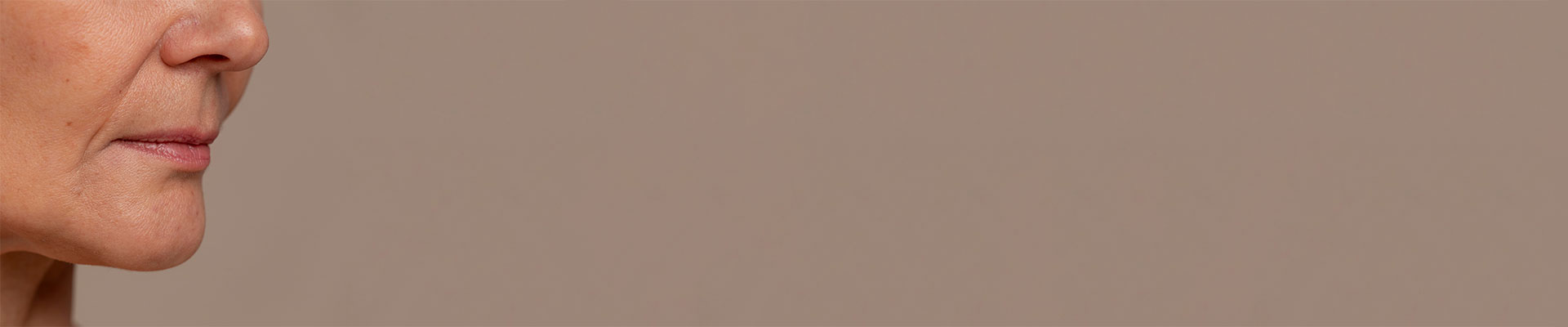
How to Reduce Nasolabial Folds?
Nasolabial folds are not necessarily a sign of age-related changes. In young women, these folds can appear quite early due to active facial expressions, individual facial anatomy, or changes in weight—for example, when there is a loss of volume or, conversely, excessive facial fat deposits develop.
Although these lines are a natural part of our appearance, they can often make the face look tired or sad and visually add years to a person’s appearance.
Fortunately, modern cosmetology offers various ways to reduce the appearance of nasolabial folds. The key is not to look for a one-size-fits-all treatment, but to understand the underlying cause of the changes and choose a correction method based on the individual characteristics of the face.
What Are Nasolabial Folds and Why Do They Appear?
Nasolabial folds, sometimes referred to as “smile lines,” are two symmetrical lines that run from the sides of the nose to the corners of the mouth. They are a natural feature of the middle third of the face and become more noticeable when we smile or talk. However, over time, these skin creases can deepen and remain pronounced even when the muscles in the nasolabial area are relaxed.
The main causes of the appearance and deepening of nasolabial folds include:
- age-related changes — the skin gradually loses collagen, elastin, and its ability to retain moisture;
- loss of tissue volume in the cheeks and cheekbone area, causing the tissues to shift downward due to gravitational ptosis;
- active, uncontrolled facial expressions;
- significant fluctuations in weight, particularly rapid weight loss, which can lead to a loss of facial volume and tissue sagging;
- reduced skin tone due to inadequate skincare, dehydration, or the natural aging process;
- UV exposure, which accelerates the breakdown of collagen fibers;
- smoking, lack of sleep, and an unbalanced diet, which contribute to collagen degradation and premature skin aging.
In most cases, nasolabial folds do not develop due to a single factor, but rather a combination of several. That is why, before choosing a correction method, it is important to assess not only the folds themselves, but also the condition of the skin, tissue volume, and the proportions of the entire face.
Can Nasolabial Folds Be Reduced at Home?
Nasolabial folds are not expression lines, so it is impossible to completely eliminate them with creams, masks, or facial exercises. Cosmetic products work primarily on the surface of the skin and cannot restore lost volume or strengthen the underlying facial framework. However, proper skincare and healthy lifestyle habits can help maintain skin firmness and slow down the deepening of the folds.
To achieve this, it is worth:
- choosing a high-quality home skincare routine based on your skin type and individual needs;
- protecting your face from UV exposure;
- using facial massage and face fitness exercises to help maintain facial muscle tone;
- following a balanced diet and drinking enough water;
- avoiding significant fluctuations in weight;
- giving up harmful habits;
- maintaining a healthy sleep schedule and, whenever possible, reducing the effects of chronic stress.
Home skincare is an important part of prevention, but already-formed deep folds, just like deep wrinkles, require professional correction. A cosmetic doctor can determine which procedures are most appropriate after assessing the condition of the skin and the individual anatomy of the face.
How Are Nasolabial Folds Treated in Aesthetic Medicine?
To achieve a truly natural and aesthetically pleasing result, a cosmetic doctor selects the method of correcting nasolabial folds individually, taking into account their depth, the condition of the skin, the patient’s age, and the underlying cause of the changes. In some cases, correction requires restoring lost tissue volume; in others, the focus is on improving skin density or achieving a lifting effect. For example, LeoDerm Clinic in Lviv offers various effective treatment protocols that can provide additional benefits, including rejuvenation, lifting, and an overall improvement in skin quality.
- Dermal fillers. Hyaluronic acid-based fillers help restore lost volume and make nasolabial folds less noticeable. Fillers can be injected not only directly into the nasolabial area to soften the folds, but also into the cheeks or cheekbones to restore tissue support while maintaining natural facial proportions. The changes in the appearance of the nasolabial folds can be seen immediately after the procedure. An additional benefit is a more harmonious facial contour and a more hydrated-looking complexion.
- Biorevitalization. Injections containing hyaluronic acid provide intensive hydration, improve skin elasticity, and help maintain firmness, contributing to the smoothing of fine lines and creases. The procedure does not fill deep nasolabial folds, but it can make them less pronounced when the problem is associated with dehydration, reduced skin elasticity, or diminished skin quality. Additional benefits include improved skin tone, smoothness, and a fresher-looking complexion.
- Mesotherapy. During the procedure, complexes containing amino acids, vitamins, peptides, and other active ingredients are injected into the skin. They support metabolic and regenerative processes while improving skin tone and overall condition. Mesotherapy works particularly well for early signs of aging, but it can also help address skin laxity and is an excellent complement to other correction methods.
- Device-based treatments. RF lifting heats the deeper layers of the skin, stimulating collagen remodeling and the gradual tightening of tissues. Ultrasound-based treatments target deeper structures, helping to lift tissues and reduce sagging. These procedures do not fill the folds, but they can make them less noticeable through a lifting effect, improved facial contours, and increased skin firmness.
Results and How Long Do They Last?
The results of correction are always individual: the before-and-after appearance of nasolabial folds can vary significantly from person to person, even when the same procedure is performed. The duration of the results also varies and can range from several months to a year or longer, depending on the technique used, individual characteristics of the body, and adherence to the recommendations of the cosmetic doctor. Proper post-treatment care also plays an important role, including a personalized home skincare routine, protection from UV exposure, a healthy lifestyle, and timely maintenance treatments.
Want to find out how to reduce nasolabial folds in your particular case? Book a consultation with the specialists at LeoDerm Clinic in Lviv. The cosmetic doctors will assess your skin condition and facial proportions and recommend the most appropriate procedure or combination of techniques to help you achieve the most natural-looking and long-lasting result possible.
If you experience symptoms of an illness, please consult a doctor.