

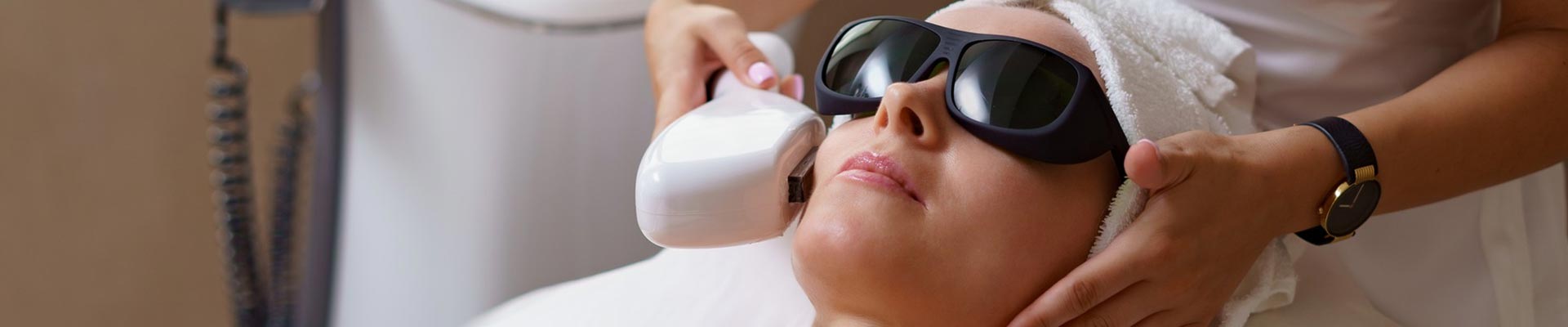
Laser Skin Resurfacing in Autumn: Why the Cooler Months Are the Best Time for Skin Renewal
Laser skin resurfacing helps improve skin condition, smooth its texture, and even out skin tone. The procedure is recommended for treating post-acne scars, uneven skin texture, fine lines, and signs of photoaging. Laser resurfacing activates the skin’s natural regeneration processes and stimulates collagen production, allowing the skin to gradually renew itself and achieve a smoother, more refined texture.
However, laser facial resurfacing is a procedure with seasonal considerations, and autumn is considered one of the most favourable times to undergo it. Why is this the case? The cosmetologists at LeoDerm explain why the cooler months are ideal for the procedure and share practical tips to help you recover faster and achieve beautiful results.
Why Is Autumn Considered the Ideal Season for Laser Skin Resurfacing?
When planning laser facial resurfacing, it is important to allow enough time for recovery and proper skin care. Autumn generally makes it easier to create favourable conditions for this process: the beach season is over, and prolonged sun exposure becomes less common. However, the timing should depend not only on the season but also on your skin condition and your doctor’s recommendations.
So, why is autumn considered the start of the laser resurfacing season?
- Lower UV radiation intensity. In autumn, UV radiation levels in our latitudes are generally lower than in summer, and daylight hours are shorter. This makes it easier to follow sun-exposure restrictions during the recovery period. However, cooler weather does not mean there is no ultraviolet radiation: your skin still needs protection, even on cloudy days.
- Sun protection after the procedure. Laser skin resurfacing temporarily makes the skin more vulnerable to sun exposure. During this period, UV radiation can contribute to unwanted pigmentation, making sun protection an essential part of post-procedure care. In autumn, UV radiation levels are generally lower, which may help reduce the risk of complications such as hyperpigmentation.
- A recent tan is a reason to postpone the procedure. A tan indicates recent UV exposure and may increase the risk of unwanted pigmentation changes following laser treatment. This is why facial laser resurfacing should be postponed immediately after a seaside holiday, even if autumn has already begun.
What Skin Concerns Can Be Treated with Laser Resurfacing?
Laser skin resurfacing can be part of a comprehensive skincare and aesthetic treatment plan. Depending on the type of laser and the selected treatment settings, the procedure can address the following skin concerns:
- post-acne marks and atrophic scars. Laser scar resurfacing stimulates skin renewal and collagen production, helping to make depressed acne scars less noticeable and soften their edges;
- wrinkles, uneven skin texture, and enlarged pores. The procedure can help reduce the appearance of fine lines, smooth the skin’s surface, and make enlarged pores less visible;
- pigmentation and age-related skin changes. Resurfacing may help lighten certain pigmented spots, even out skin tone, and improve skin firmness. However, whether the treatment is suitable depends on the underlying cause of pigmentation and the type of laser selected.
Smaxel FR CO2: Deep Laser Resurfacing for Pronounced Skin Imperfections
Smaxel FR CO2 is a fractional carbon dioxide laser used for deep skin resurfacing. Its energy is absorbed by water in the tissues, creating microscopic areas of controlled vaporisation and heating. Untreated areas remain between these zones, helping the skin heal. This targeted action activates the skin’s natural repair processes and stimulates new collagen production.
CO2 laser resurfacing is used by aesthetic physicians to address pronounced wrinkles, atrophic post-acne scars, and other skin texture irregularities. Once the skin has fully recovered, its surface becomes smoother, wrinkles may appear softer, and scars may become less noticeable.
Deep resurfacing involves intensive treatment and a longer recovery period. Possible side effects include redness, swelling, a burning sensation, scab formation, and peeling. Initial healing may take approximately 7–10 days or sometimes longer, while residual redness may persist beyond this period. Recovery after laser facial resurfacing requires strict adherence to the prescribed skincare routine. Scabs must never be picked or removed, and rigorous sun protection is essential. The final results are assessed at a later stage, as collagen remodelling continues over the following months.
Not sure whether to undergo the procedure? Visit our website to explore the results of laser facial resurfacing. The before-and-after photos are sure to impress you!
Dermablate and Candela Frax Pro: Fractional Resurfacing at Different Intensities
Clients at LeoDerm Clinic can also benefit from fractional laser facial resurfacing in Lviv. The clinic’s aesthetic physicians offer treatments using Dermablate and Candela Frax Pro. Fractional laser technologies target microscopic areas of the skin, leaving the surrounding tissue untreated to support healing. However, the nature of their effects differs: Dermablate is used for ablative fractional resurfacing (which involves removing microscopic layers of skin through vaporisation), while Candela Frax Pro provides gentler, non-ablative skin renewal.
Dermablate: Improving Skin Texture and Treating Post-Acne Scars
Dermablate is an erbium laser that creates microscopic channels through tissue vaporisation when operated in fractional mode. This treatment stimulates regeneration and collagen remodelling, helping to smooth skin texture, soften fine lines, and reduce the appearance of atrophic post-acne scars.
Candela Frax Pro: Gentler Laser Skin Renewal
Candela Frax Pro uses a non-ablative fractional approach, creating microscopic zones of thermal stimulation without forming open ablative channels. This stimulates collagen remodelling and helps improve skin texture, reduce the appearance of fine lines, and address certain post-acne concerns. It can also be used on delicate areas, including for laser resurfacing around the eyes.
Differences in Treatment Effects and Recovery
Dermablate combines tissue removal in microscopic zones with stimulation of the skin’s natural repair processes, which means it requires more careful aftercare during healing. Candela Frax Pro provides gentler skin renewal and generally allows patients to return to their usual daily activities sooner.
How to Prepare Your Skin for Laser Resurfacing and Recover Without Complications
Proper preparation and post-procedure care help reduce the risk of complications and create optimal conditions for skin healing. Preparing for laser resurfacing involves more than simply finding out how much facial laser resurfacing costs — it starts with a professional consultation with an aesthetic physician.
The key recommendations depend on the type and intensity of the resurfacing treatment:
- Before the procedure: avoid tanning and irritating skincare products. Temporarily discontinue acids, retinoids, and exfoliating scrubs according to the timeline recommended by your doctor. At the time of treatment, your skin should be free from a recent tan and irritation.
- After the procedure: focus on gentle cleansing and skin recovery. Following ablative resurfacing with Smaxel FR CO2 or Dermablate, you will need a specific skincare routine prescribed by your doctor to support the healing process. Scabs must never be picked or removed. After the gentler Candela Frax Pro treatment, mild cleansing and moisturising are usually sufficient, as recommended by your specialist.
- During recovery: sun protection and temporary restrictions are essential. Avoid tanning, saunas, hot baths, and intense exercise until your doctor gives you the go-ahead. Use restorative skincare products, and introduce broad-spectrum SPF 50 sunscreen once your skin condition allows. Until then, it is particularly important to avoid direct sun exposure.
- Gradually return to your regular skincare routine. Avoid all potentially irritating products until the skin has healed and the irritation has completely subsided. Makeup can be applied once the skin’s surface has recovered, while any subsequent cosmetic treatments should be planned in consultation with your doctor.
Autumn is an excellent time to plan laser skin resurfacing and focus on skin renewal and recovery. Book a consultation with the aesthetic physicians at LeoDerm Clinic today. Your specialist will select the most suitable treatment based on your individual needs, explain how to prepare for the procedure and navigate the recovery period to achieve the best possible results, and provide information about current laser skin resurfacing prices.
Frequently asked questions
Is laser skin resurfacing very painful?
The level of discomfort depends on the intensity of the treatment. You may experience warmth, tingling, or a burning sensation. To minimise discomfort, the aesthetic physician selects appropriate pain relief and cooling methods based on the chosen technique.
Can my skin look worse after the procedure?
During the healing process, redness, swelling, and peeling may temporarily make your skin look worse. Choosing the right treatment and following the recommended aftercare routine helps reduce risks. However, complications such as pigmentation changes, infection, or scarring cannot be ruled out completely.
How many days will I need to avoid going out in public?
There is no requirement to isolate yourself, but visible reactions after Frax Pro usually last for several days. Following intensive ablative resurfacing, you should allow approximately 7–14 days for initial recovery. Redness may persist for longer.
Which method provides longer-lasting results?
There is no universally best option. The longevity of results depends on the skin concern being treated, treatment intensity, and aftercare. Scar improvement can be long-lasting, while age-related changes continue to develop regardless of the procedure.
Can I book the procedure without a prior consultation?
A consultation with an aesthetic physician is necessary before laser resurfacing to assess contraindications and select the appropriate treatment settings. If you would like to have both the consultation and procedure on the same day, please check this possibility when booking your appointment.
How does Smaxel FR CO2 differ from Dermablate?
Smaxel FR CO2 is a carbon dioxide laser that produces a more pronounced thermal effect, while Dermablate is an erbium laser designed for precise tissue removal with less residual heat.
Is Candela Frax Pro suitable for treating post-acne scars?
Yes. It can be used to reduce the appearance of atrophic scars, usually as part of a treatment course. For deep or tethered scars, your doctor may recommend a different technique or a combination of treatments.
When can I start wearing makeup again after the procedure?
Makeup can be applied once the skin’s surface has healed and your aesthetic physician has given you approval. Acids, retinoids, and exfoliating scrubs should be reintroduced later, once all irritation has subsided.
Where should I start if I feel nervous about the procedure?
Start with a consultation and tell your aesthetic physician what concerns you most. You will be able to discuss possible sensations, pain relief, and recovery, giving you time to make an informed and comfortable decision.
If you experience symptoms of an illness, please consult a doctor.